Sommaire
Boulevard Voltaire (EN)
This page presents Boulevard Voltaire, a major Parisian avenue running from République to Nation. It highlights its Haussmannian architecture, cafés, shops, cultural life, historic significance, neighborhood atmosphere, transport connections, and practical visitor information.
Overview
Boulevard Voltaire is one of Paris’s longest and most historic avenues, stretching from Place de la République to Place de la Nation. Known for its Haussmannian architecture, cafés, shops, and strong cultural identity, it crosses the 11th arrondissement, one of the city’s liveliest and most dynamic neighborhoods.
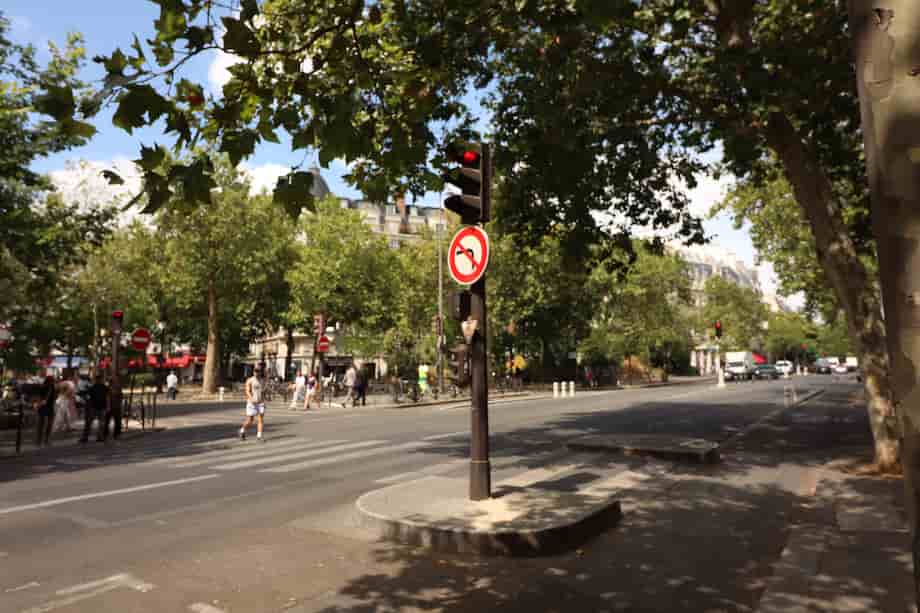
The boulevard blends history, everyday Parisian life, and modern urban energy, making it a key axis of eastern Paris.
History
- 1850s — Created during Haussmann’s transformation of Paris.
- 19th century — Became a major east–west artery linking central Paris to Nation.
- 20th century — Growth of cafés, shops, and cultural venues.
- Today — A vibrant boulevard known for its local life, activism, and cultural diversity.
Boulevard Voltaire remains one of the most emblematic streets of the 11th arrondissement.
What to See
- Place de la République — cultural events, cafés, open square.
- Place de la Nation — historic monument and large plaza.
- Haussmannian Buildings — elegant façades lining the boulevard.
- Cafés & Brasseries — perfect for Parisian dining.
- Local Shops — fashion, food, and everyday commerce.
Atmosphere & Experience
Boulevard Voltaire offers:
- a lively, urban atmosphere,
- wide sidewalks ideal for walking,
- cafés and shops for everyday life,
- Haussmannian architecture and local culture,
- a mix of residential calm and vibrant street life.
It’s perfect for visitors exploring eastern Paris between République and Nation.
Practical Information
Location
11th arrondissement — between République and Nation.
Transport
- Metro: Lines 3, 5, 8, 9, 11 (République), Lines 1, 2, 6, 9 (Nation), Line 9 (Voltaire)
- Bus: 56, 61, 69
Duration
A full walk along the boulevard: 35–50 minutes With cafés and visits: 1h30–2h
Rockstar Café
- Address: 46 Boulevard Voltaire, 75011 Paris
- Style: An energetic, rock-themed bar and casual eatery.
- Highlights: Sporting a unique blend of vintage surf decor and electric rock-and-roll vibes, this neighborhood staple is perfect for a fun, budget-friendly meal. Reviewers love it for its highly affordable drink prices, generous meat and cheese platters, and tasty pizzas. It features an air-conditioned basement room ideal for groups and an excellent outdoor terrace.
Les Lumières
- Address: 56 Boulevard Voltaire, 75011 Paris
- Style: A warm, inviting, and highly-rated neighborhood café-bistro.
- Highlights: Boasting a fantastic local reputation, this cozy spot is open late from Monday to Saturday. It is the perfect place to kick off your afternoon with a well-brewed espresso or unwind with a cocktail before heading to a concert. Its friendly service and welcoming terrace make it a true local hideaway
Le 50 Voltaire
- Address: 50 Boulevard Voltaire, 75011 Paris
- Style: A vibrant, contemporary French brasserie and lively local hub.
- Highlights: Sitting right next to the Bataclan, this spacious brasserie features a classic dining hall and a huge sidewalk terrace perfect for people-watching. It serves comforting, traditional French dishes all day alongside a highly popular happy hour, making it the most practical pre- or post-show spot in the area
Internal Links
Boulevard du TempleBoulevard du Temple Paris
Place de la NationPlace de la Nation: Full Guide to One of Paris’s Historic Squares
faq
Q1. Where is the Bataclan located on Boulevard Voltaire?
The Bataclan concert hall is located at 50 Boulevard Voltaire in the vibrant 11th arrondissement of Paris. It sits on the northern stretch of the boulevard, nestled between the Oberkampf and Richard-Lenoir neighborhoods.
Q2. What is the history of the Bataclan building?
The venue opened in 1865 as a grand café-concert hall originally named Ba-Ta-Clan (inspired by an operetta by composer Jacques Offenbach). Designed by architect Charles Duval, it was famous for its striking, eclectic Chinese-style pagoda architecture, complete with a colorful roof, fountains, and billiard rooms. Over its long history, it has served as a theater, a cinema, and eventually one of the city’s premier rock and pop music venues.
Q3. How do I get to the Bataclan using public transit?
The concert hall is exceptionally well-served by the Paris Metro, with several stations just a short walk away:
- Oberkampf (Lines 5 and 9) – The closest station, located just a 2-minute walk north.
- Saint-Ambroise (Line 9) – Located a 5-minute walk south down the boulevard.
- Filles du Calvaire (Line 8) – Located a 5-minute walk west towards the Marais.
Q4. Are there any restrictions or security measures for attending a concert?
Yes, the Bataclan implements strict security protocols to ensure safety. Guests undergo mandatory bag checks and security screenings at the entrance. Large backpacks, suitcases, motorcycle helmets, and professional audio/video recording gear are strictly prohibited inside. Small personal bags are permitted, and a paid cloakroom is usually available inside for coats and small items.
Q5. What is the neighborhood surrounding the venue like?
The area around the Bataclan on Boulevard Voltaire is incredibly lively and popular with locals. It borders the historic Oberkampf district, which is famous for its vibrant nightlife, independent boutique shops, excellent craft cocktail bars, and an eclectic mix of global street food and traditional French bistros.
Q6. Is Boulevard Voltaire itself historically significant?
Yes. Spanning nearly 3 kilometers, Boulevard Voltaire is one of Paris’s major thoroughfares created by Baron Haussmann in 1857. It is historically famous as a grand civic Axis linking two major political hubs: Place de la République and Place de la Nation. Because of this layout, it is traditionally one of the primary routes used for major public marches, rallies, and civic demonstrations in Paris.
Laisser un commentaire